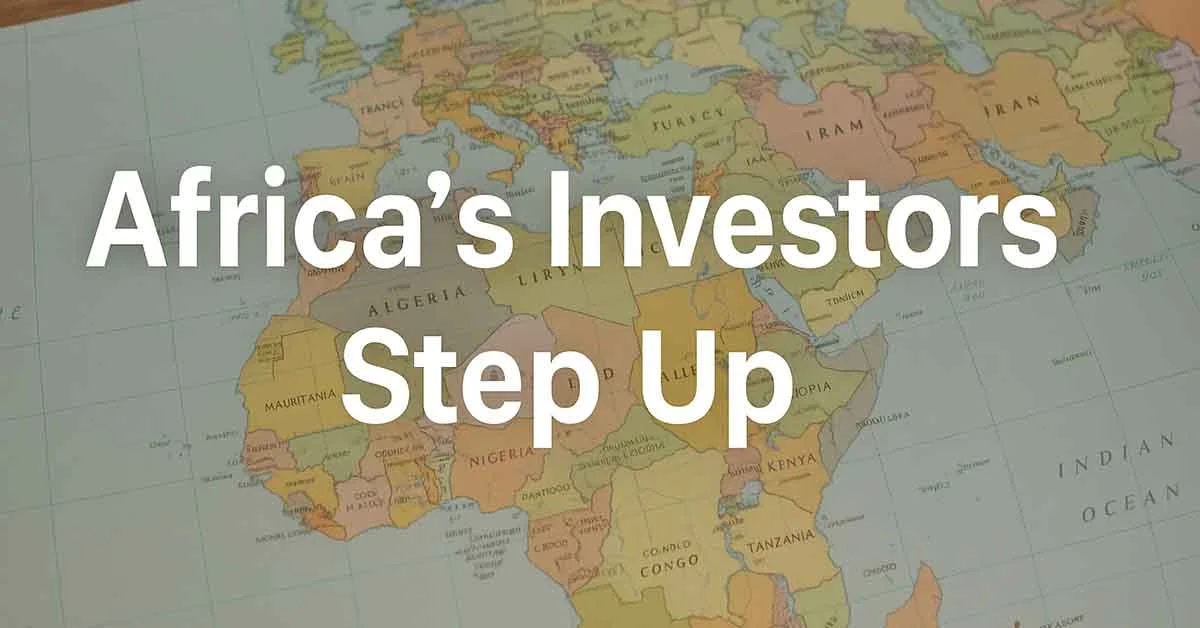
Africa is experiencing a new period of investment optimism as international and local investors are stepping up to support the rapidly growing markets on the continent. Yet, despite rising confidence in investors, structural hurdles continue to impede trading finance, which poses challenges to companies that rely on cross-border transactions. This issue is becoming increasingly critical as African economies seek to grow through digitalization, expansion of their markets, and greater global trade connections.
Trade finance is vital for African exporters, importers, and even small companies. However, many businesses are unable to access it. Despite the growing interest of financiers, Europe has an ongoing trade finance gap that is estimated to be in the tens of billions of dollars, which limits the potential of promising markets.
The main reason for this slowdown could be the continuing reliance on a dated financial infrastructure. A lot of African institutions are still using manual processes, which can lead to delays, increased risk, and a lack of transparency. As businesses move towards digital, the old systems struggle to keep pace and create a gap between the interests of investors and the capabilities of financial systems. This makes it difficult for local businesses to take part effectively in regional and global supply chains.
Another challenge is the regulatory differences between African nations. Each country has its own compliance frameworks in terms of documentation requirements, as well as banking regulations. This makes cross-border financing difficult and can discourage lenders who prefer standard, predictable guidelines. Investors might be increasing their investment, but if there isn’t a smoother regulatory alignment, the flow of capital will be slower than is needed.
Risk perception plays a significant role. Certain banks around the world continue to believe that African markets are risky, even though data show improvement in stability and better payment performance. This perception limits access to trade credit and also limits the number of banks willing to collaborate with African institutions. In the end, small and mid-sized companies tend to be the first ones to feel the effects.
The landscape, however, is changing. African developers, investors, and Fintech entrepreneurs are moving into the market more quickly. These players are aware of Africa’s yet to be explored potential, are expanding the use of digital finance tools, and pushing for an upgraded infrastructure. A number of them are harnessing technology — such as digital KYC and blockchain-based documents and AI-driven risk assessments to simplify processes and cut down on delays.
Initiatives for regional trade, such as those that include the African Continental Free Trade Area (AfCFTA), are also anticipated to improve trade finance when they are fully implemented. Through harmonizing regulations and decreasing trade obstacles, the agreement can assist in streamlining financing and building more trust between lenders.
However, the change will require time. While investors are increasing their efforts, structural hurdles must be overcome to unleash the potential of Africa’s trade finance sector. A modern digital infrastructure, unifying regulations, and greater collaboration between financial institutions across borders are essential.
Africa is on the brink of an economic boom that could be significant. If the barriers are eliminated, Africa could experience significant growth in investment, trade, and innovation, generating more business opportunities for millions of people.
Latest Posts

Elite Personal Finance Reviews — The Ultimate Guide (2026)
In the current financial climate, the right personal finance tool or service will have a huge impact on your financial health. This complete guide to Elite Personal Finance Reviews guides the top financial tools, coaching services, budgeting software, and financial planners that are available within the USA. We discuss real user experiences, in-depth evaluations, important … Read more
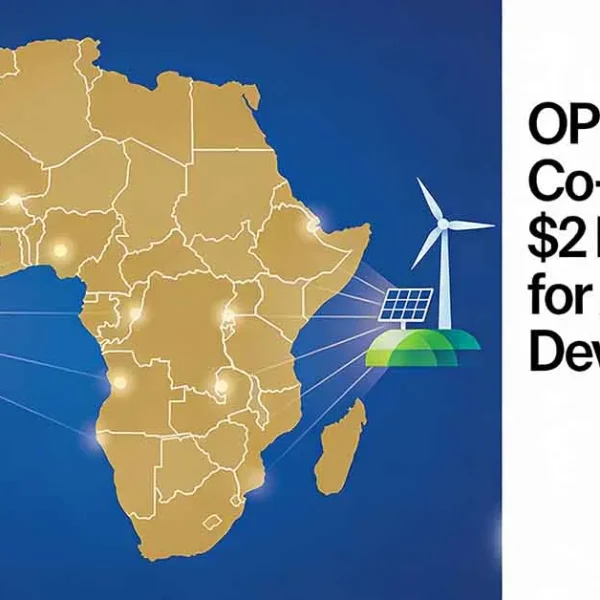
OPEC Fund to Co-Finance $2 Billion for Africa’s Development
The OPEC Fund for International Development (OFID) has announced plans to co-finance as much as 2 billion dollars in order to accelerate the development of infrastructure and growth in Africa. This important initiative for development will concentrate on access to energy as well as food security and…