

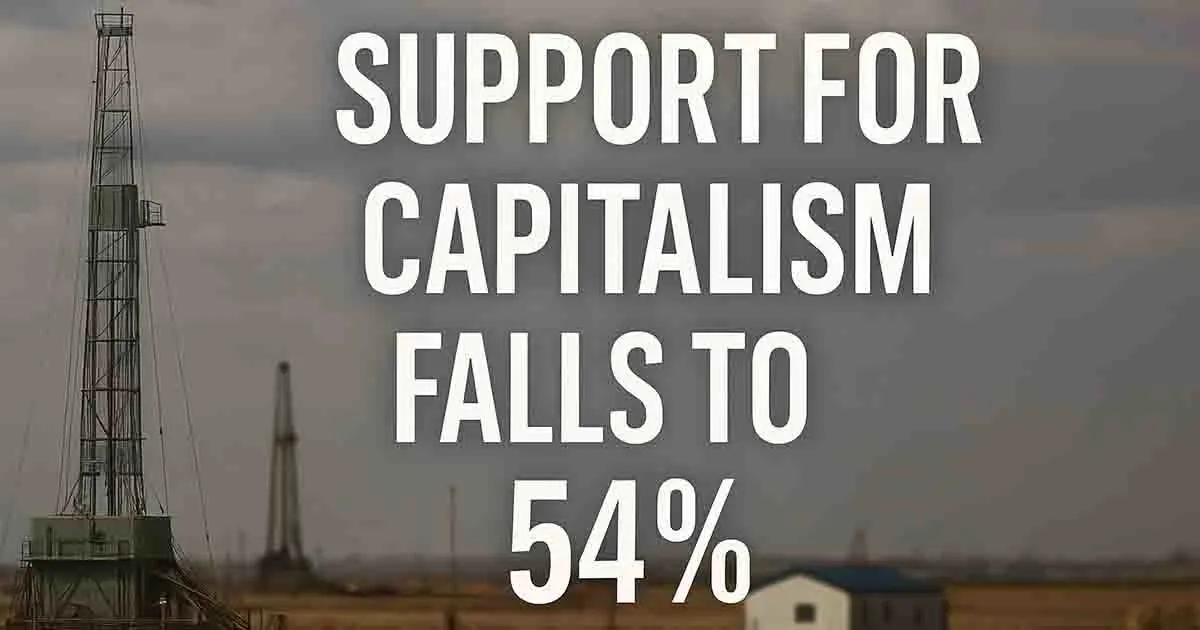
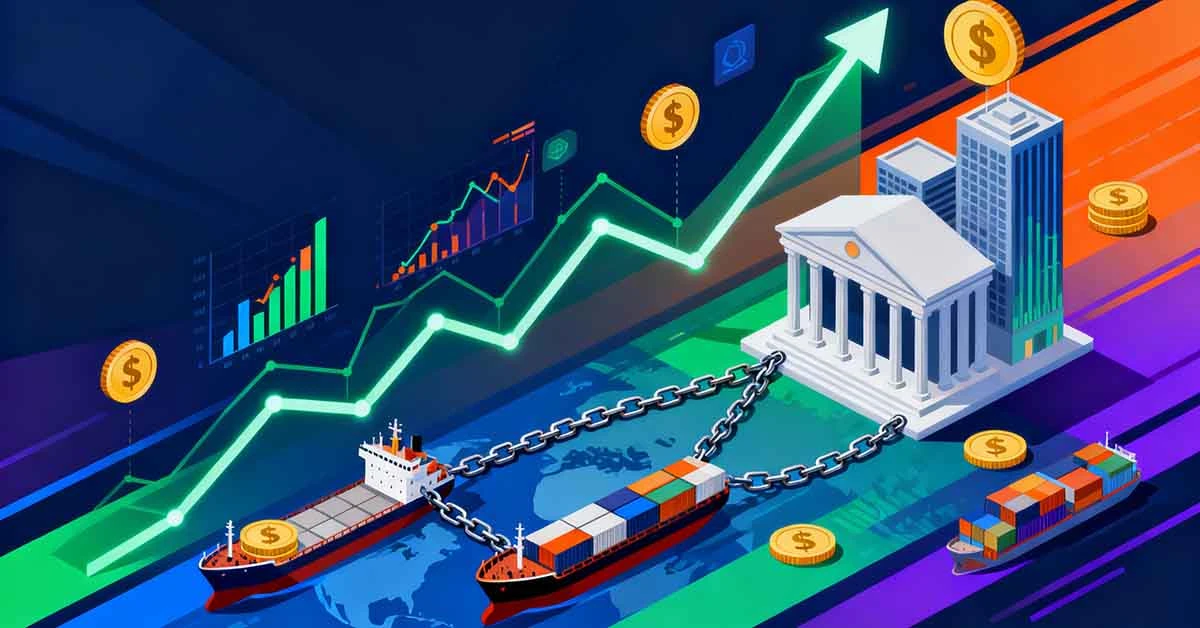
A new poll in the United States has revealed significant shifts in how Americans regard the economic system that has shaped our country over the course of generations. According to the most recent figures, just 54 percent of Americans have a positive view of capitalism. This is a substantial drop that is a reflection of increasing discontent over increasing costs, inequality, and economic instability.
The decline is particularly stark in younger voters. A majority of Gen Z and younger millennials feel that the system is unjust to them. A high cost for housing, along with student debt and a lack of job security, has led to doubts about the viability of capitalism for the average person. The shift in generational patterns is changing the debates in our country about opportunity, wealth, and fairness.
The poll also reveals an increasing ideological divide. While the majority of Republicans have a favorable perspective on capitalism, the support of Democrats is now below 50 percent at first. Many respondents have expressed an interest in multi-economy models. They also want increased regulation of companies and a more social security net.
A major factor that affects public opinion is recent economic uncertainty. The rise in inflation, stagnant wages, and concerns over living costs have led many Americans to think about whether the advantages of capitalism are shared equally. The big corporations, specifically, are often viewed negatively, and many believe they exert too much power over the political system and in everyday life.
This shift in mindset is already impacting the political debates. The candidates in the upcoming elections are putting greater importance on the problem of corporate accountability, economic inequality, and Social welfare programmes. Policies such as general healthcare coverage, universal housing assistance, and tax reforms are making waves across all political parties.
The critics of this change warn that the abandonment of capitalist principles can harm the growth of innovation and economic growth. Some say that the current version of capitalism requires major changes to guarantee fairness and stability over the long term.
No matter what the debate is, whatever the outcome, there’s one thing that’s for sure: American attitudes toward the economy are evolving faster than they have ever. The declining support for capitalism is a reflection of deeper shifts in culture and generations, which will affect the political debates and policy discussions in the years to come.









Leave a Reply