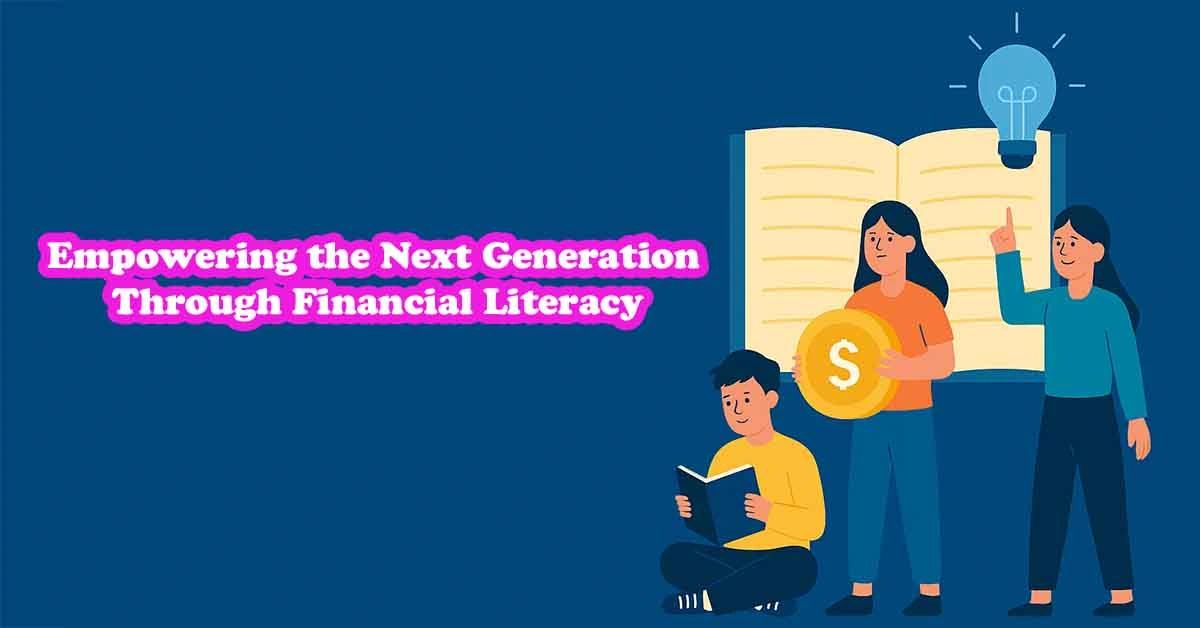
The debate about helping the next generation by empowering them with education in financial literacy is becoming more pronounced. A majority of educators, parents, and community leaders believe that financial literacy is no longer an option. It’s a must in an age where young people are confronted with credit cards, student loans, and higher living costs sooner than they have ever been.
In the midst of this discussion lies the simple fact that children entering adulthood are without the necessary tools to effectively manage their money. A lot of teenagers aren’t aware of how to calculate credit scores, interest rates, or even the fundamentals of budgeting. This creates problems in the long run that can be avoided through the early introduction to education.
For readers who want a deeper look at how schools are addressing this issue, this page offers a helpful overview:
https://www.studentaid.gov/articles/financial-literacy-students
Why Financial Literacy Matters for Young People
Financial literacy provides young people with the ability to make educated choices. They learn how to save money, when to borrow, and to establish reasonable financial goals. In addition, it shields them from costly mistakes such as high-interest debts or poor spending habits.
A lot of professionals in the field of education say the same thing: Students are interested in learning, yet the formal curriculum is not always available. This leaves students vulnerable. A generation that is aware of money is better prepared to create stability, avoid financial stress, and prepare confidently in the near future.
Schools that implement financial literacy programs also experience gains in decision-making and long-term planning. These skills are transferable to the workplace, relationships, and personal development.
Building a Stronger Future Through Education
The next generation can be empowered through financial literacy, which requires collaboration. Schools can offer structured classes. Parents can begin conversations with their children at home. Banks and businesses can help communities by providing workshops and learning resources for free.
When these goals are aligned with the goals of young people, they gain confidence to take on adult responsibility. They learn to budget and prepare for emergencies, assess the cost of college, and build credit.
Financial confidence isn’t only about managing money; it’s about creating opportunities. It allows young people the chance to imagine higher, take calculated risks, and create solid foundations for their futures.
A Call to Action for Communities
Community members are responsible for making sure that children are able to grow up with the right understanding. The earlier that education starts, the goal is to enhance the quality. It can be through school, or discussions at home. Financial literacy is among the most effective tools we can provide to the upcoming generation.
Instilling confidence in the next generation by teaching them financial education is more than just an opinion. It is a plan for greater confidence and a more stable future.