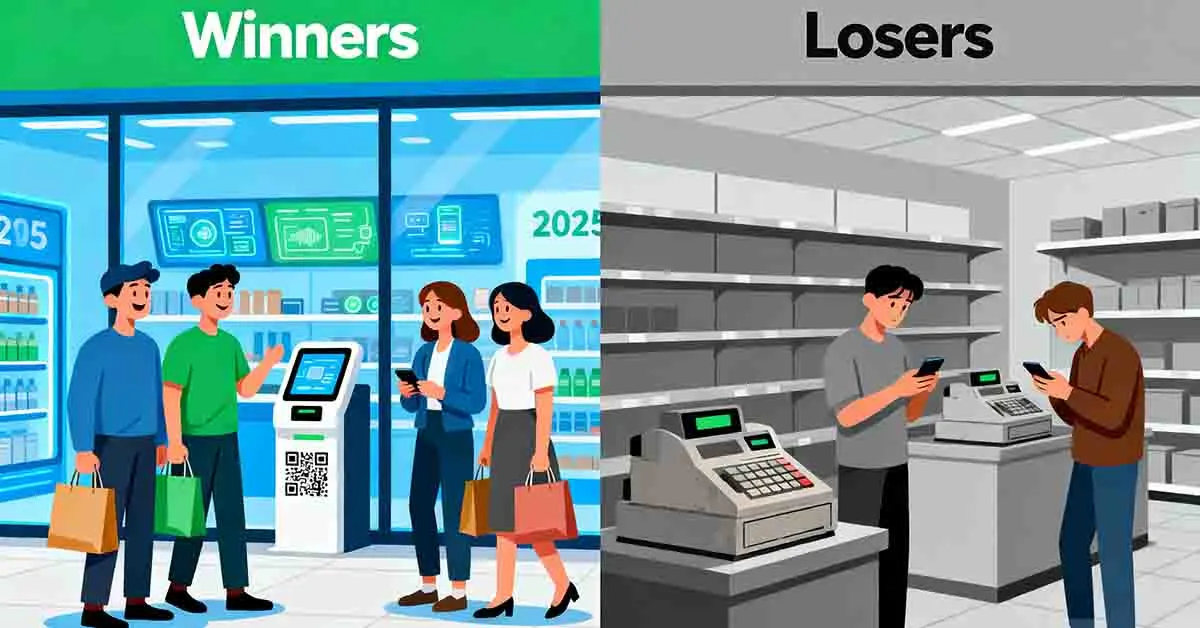
The retail landscape for 2025 in the UK and around the world has been starkly uneven, leading analysts to describe the industry as “very dispersed.” While certain retailers report moderate growth, others struggle with the effects of inflation, increasing costs, and changing customer habits.
Some sections can maintain their ground, while others are under pressure, resulting in an unbalanced picture instead of one unified rebound.
Where Retail Is Doing OK — And Where It’s Struggling
- The most recent quarterly update shows that the overall retail sales increased by 0.9 percent in the third quarter of 2025, compared to Q2, and hints at areas of resilience.
- The growth has been driven largely by household items, clothing, and technology purchases, particularly around back-to-school time and the launch of new devices.
- But, despite this growth, the sector is over 22% below the levels before the outbreak, which indicates the structural weaknesses.
- The rising costs of labor and inflation, which include increased minimum wage as well as national insurance costs, cut into retailers’ profits.
This is a sign that, even though some stores are doing well or even growing some traction, others are struggling with decreasing profits and a decrease in footfall.
Why the Divide: Inflation, Economy & Changing Consumer Habits
Analysts have identified interconnected factors in the reason for the division:
- Cost pressures and inflation: As input and labor costs increase, retailers are struggling to bear the burden without increasing prices, but consumers are already wary.
- Consumer confidence is low: Sluggish economic growth and uncertainty in household finances make shoppers more cautious in their spending, limiting purchases that aren’t essential.
- Changes in retail models: The future of retail appears to favor those who can adapt quickly – e.g., by combining offline and online, which makes supply chains flexible by embracing technology and data and delivering more personalized experiences.
- Changes in the structure of the internet post-pandemic. A shift of consumers’ preferences towards online shopping and the changing priorities (less impulse purchases and more focused expenditure) continues to shake up the bricks-and-mortar model.
What This Means for Retailers, Consumers & the Future
- Retailers: It increases the need to be innovative — those that adjust (through an omnichannel presence, technological adoption, and agile operations) could survive or even thrive. People who stick to traditional models are at risk of falling.
- For customers: It may lead to an uneven supply of goods to bargains and a wide selection in certain stores, but smaller products or higher prices in other stores. Retailers could focus on necessities instead of premium products.
- The business: 2025 is likely to be considered a turning moment. It is likely that the “winners” would be the retail stores that embrace change. The rest could struggle or leave.
The Bottom Line: Mixed Reality, Not a Uniform Recovery
The retail industry being “very dispersed” in 2025 isn’t alarmism, but it is a true reflection of an unbalanced reality. Some retailers have found ways to flourish despite the pressure of cost and changing consumer preferences. Other retailers are squeezed and are facing declining margins and declining footfall.
For all stakeholders in retail, such as shop owners, from investors to shop owners, the message is clear: survival now depends on the ability to adapt and be agile.